
The Appassimento Technique: The Secret Behind Cesari Wines
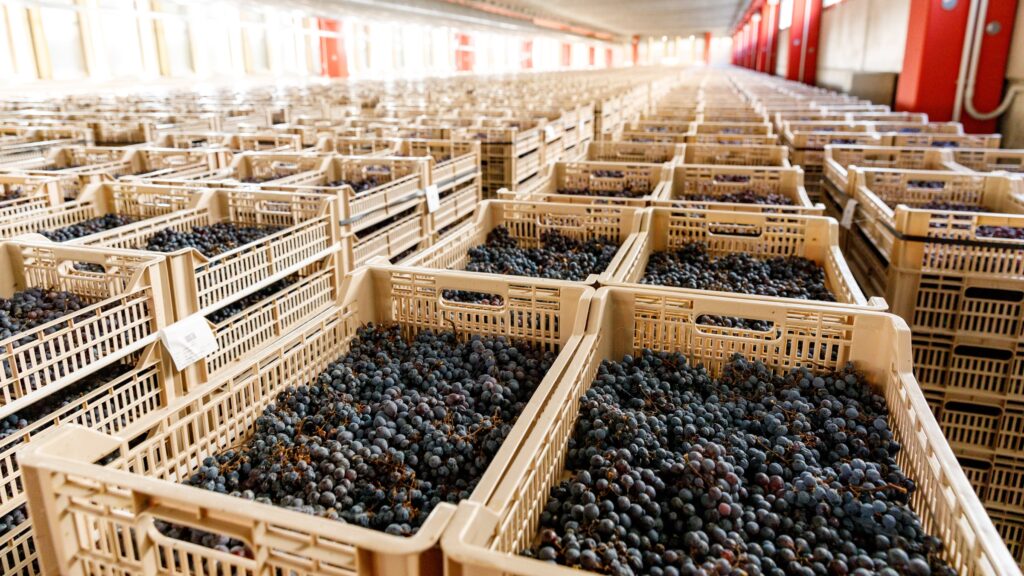
The ritual of appassimento in the Cesari drying room transforms grapes into a complex, long-lived nectar: discover how Amarone, Recioto, and Ripasso are born.
Elegance, depth, and complexity are just a few of the characteristics that have made Valpolicella wines famous worldwide. The secret to their popularity lies first and foremost in an exceptionally suited territory, where a wide variety of native grape varieties have taken root.
Behind their success, however, is also the skillful hand of man, who over centuries has refined the art of blending and, above all, the technique of appassimento (grape drying). Amarone della Valpolicella, Recioto, and Ripasso: three iconic wines of the region united by this unique process, which boasts ancient origins and contributes to their unmistakable aromatic profile. Let’s see how.
From Vineyard to Drying Room: Selecting the Bunches
In Cesari vineyards, it all begins in September, when the finest clusters of Corvina Veronese, Corvinone and Rondinella are hand-selected during harvest.
The grapes are then carefully laid out in a single layer in wooden or plastic crates, which are subsequently stacked in the fruttaio (Grape Drying Loft). It is within this large, well-ventilated space that the magic of appassimento takes place—a process lasting between 100 and 120 days that requires constant environmental monitoring. Temperature and humidity are strictly controlled, making the Cesari fruttaio the crown jewel of our Fumane winery, where ancient ritual meets cutting-edge monitoring technology. A true temple of appassimento, capable of housing up to 55,000 crates of selected grapes.
What Happens to the Grapes During Resting?
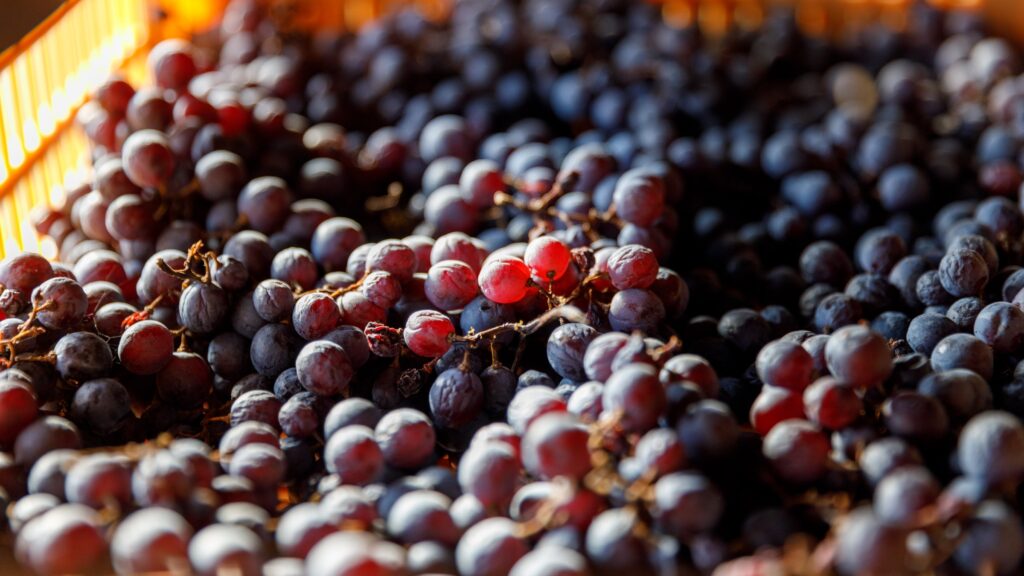
During these approximately three months of resting, the berries undergo a series of changes that decisively shape the final character of the wine. The most visible transformation is dehydration: the grapes lose up to 40% of their original weight, shrinking and altering their outer appearance through structural changes in both skin and pulp.
Yet this is merely the visible reflection of a highly complex metabolic process. As water evaporates, sugars, acids, and polyphenols become concentrated, while the fruit’s aromatic precursors evolve. Corvina Veronese, thanks in part to its thick skin, is particularly suited to this process and responds dynamically to drying. It is no coincidence that it has historically formed the backbone of Cesari’s great wines.
The Influence of Appassimento on the Aromatic Profile
Appassimento radically changes the structure of the fruit, playing a pivotal role in the production of Amarone and other wines crafted using this method. But what specific characteristics emerge on the nose and palate once the wine is poured into the glass?
Dehydration inhibits herbaceous notes, transforming fresher fruit profiles into intense, mature fragrances. This gives rise to those signature aromas of jam and fruit preserved in spirits, which complement notes of fresh fruit like plum and cherry. Sensationally sweeter nuances emerge, which, with time and aging, evolve into delicate spice notes reminiscent of cinnamon and licorice.
Furthermore, the high sugar concentration leads to wines of impressive structure and high alcohol content—elements that enhance both aromatic complexity and longevity.
Amarone, Recioto, Ripasso: What Do They Have in Common?
La tecnica dell’appassimento è alla base della produzione dei tre vini più celebri della Valpolicella: l’Amarone, il Valpolicella Ripasso e il Recioto della Valpolicella. Tutti e tre godono delle caratteristiche aromatiche legate al lungo riposo dei grappoli nei fruttai, ma i differenti processi di vinificazione li rendono profondamente diversi tra loro.
The appassimento technique forms the foundation for Valpolicella’s three most renowned wines: Amarone, Valpolicella Ripasso, and Recioto della Valpolicella. While all three benefit from the aromatic traits imparted by the extended drying period in the fruttaio, different vinification processes render them profoundly distinct from one another.
Amarone
In the king of Valpolicella wines, a slow fermentation of the dried grapes converts almost all sugars into alcohol, creating a dry, high-alcohol wine that acquires further nuance through extended aging—first in wooden casks, then in the bottle. Power, complexity, and remarkable longevity define Cesari’s Amarone della Valpolicella.
Recioto
Here, fermentation is halted before completion. By doing so, the natural sugars concentrated during appassimento are largely preserved, yielding a sweet, silky nectar. After a brief rest in the bottle, Cesari’s Recioto della Valpolicella is ready to accompany fine post-meal courses featuring cheeses or desserts.
Ripasso
The production technique for this wine is truly unique: the starting point consists of fresh grapes used to make a base Valpolicella, which is then “re-passed” (ripassato) over—or left in contact with—the warm grape pomace left over from Amarone fermentation. In about 10 days, the wine absorbs the complex, layered notes typical of its older sibling, while retaining greater freshness and vibrancy on the palate. Alongside a full, enveloping body, Cesari’s Valpolicella Ripasso surprises with its elegance and versatility.
We look forward to welcoming you to our winery: discover appassimento up close in the Cesari Fruttaio with our ‘Back to Classics’ experience!